Appliance Leak Cleanup in Monroe, NC
Appliance leaks are sneaky: a dishwasher that seeps under the cabinets or an ice-maker line that drips behind the fridge can soak a floor for weeks. The restoration team finds the full reach and dries it.
(888) 578-4720Get appliance leak cleanup help in Monroe now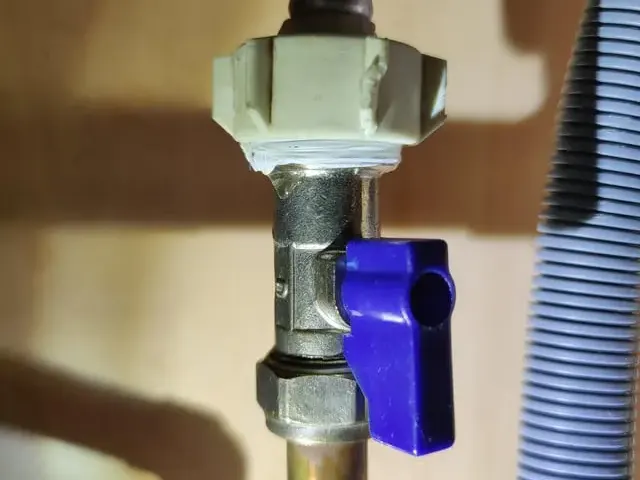
What to do right now about appliance leak cleanup
- No. 1Close the appliance valve. Behind the washer, under the sink or behind the fridge.
- No. 2Unplug only if dry. Do not touch cords or outlets in standing water.
- No. 3Pull out what you can. Move the appliance only if it is safe and light enough.
- No. 4Photograph the hose or line. The failed part helps show what happened.
- No. 5Call for drying. Water under cabinets and floors will not dry on its own.
How appliance leak cleanup is handled in Monroe, NC
- 1
Find the reach
The tech who does the walkthrough maps water under cabinets, floors and walls.
- 2
Extract and clean
The extraction crew removes water and cleans gray-water areas.
- 3
Open for airflow
Toe-kicks and trapped flooring come up so air reaches the wet materials.
- 4
Dry and verify
The drying team logs readings until the S500 goal is met.
What does appliance leak cleanup cost in Monroe, NC?
In Monroe, NC, appliance leak cleanup typically runs $500 to $4,500, depending on whether the water was clean or gray, how far it spread under cabinets and flooring, whether the crawl space got wet and how long the leak ran before it was found.
Caught quickly
- Extraction
- Toe-kick removal
- Cabinet drying
Under floors and cabinets
- Flooring removal
- Subfloor drying
- Wall drying
Long leak or gray water
- Category 2 cleanup
- Crawl space drying
- Extended monitoring
For a closer planning number, run the water damage cost calculator. Cost depends on the water category, the square footage, the material class and how fast drying started.
Kitchens and laundry rooms hold the most water connections in a house, and most of them sit behind or under something heavy. In Monroe homes of every age, appliance leaks are one of the most common water losses the restoration team sees.
The usual culprits
- Rubber washing machine fill hoses that split with age
- Washer drain hoses that pop out of the standpipe
- Dishwasher supply connections and door seals leaking under the cabinet
- Plastic refrigerator ice-maker lines that crack behind the fridge
- Garbage disposal and sink drain connections
Why the category matters
A cracked ice-maker line leaks clean supply water. A dishwasher or washing machine discharge is gray water, Category 2, because it carries detergent, food and soil. Gray water changes the plan: carpet pad and other porous materials it soaked are usually removed, and surfaces are cleaned and treated with an EPA-registered antimicrobial before drying.
How appliance leaks are dried
The extraction crew removes standing water, then the tech who does the walkthrough uses a thermal camera to see how far water traveled under cabinets and flooring. Toe-kicks are pulled so air can reach the cabinet floor, and laminate or vinyl plank that trapped water may need to come up. On raised floors, the crawl space below is checked because appliance water often ends up there, as explained on the crawl space page. Readings are logged daily until everything meets the drying goal.
The EPA Fix a Leak page has simple checks for appliance connections, and braided steel hoses are a common upgrade after a failure.
Appliance Leak Cleanup questions in Monroe, NC
How far can water from a dishwasher travel?
Farther than it looks. Water runs under the cabinet bases, beneath the flooring and along the subfloor. A thermal camera often shows wet areas several feet from the dishwasher.
Do the kitchen cabinets have to come out?
Usually not. Removing the toe-kicks and drying the cabinet floors and the wall behind them in place works for most clean-water leaks. Particle board that swelled is replaced.
Is washing machine water dirty?
Water from the drain side of a washer is gray water, Category 2. Porous materials it soaked are usually removed, and the area is cleaned and treated before drying.
What about laminate and vinyl plank floors?
They can trap water underneath, where it cannot evaporate. If readings show water below, some or all of the planks may need to come up so the subfloor can dry.
How long does appliance leak drying take?
Most contained leaks dry in three to five days once found. Long, slow leaks that soaked the subfloor for weeks take longer.
Are appliance leaks covered by insurance?
Sudden leaks are commonly covered, while damage from a long, slow leak may not be. Coverage depends on your policy, so check with your own insurer.
Appliance leak cleanup across Monroe and Union County
The Monroe restoration crew covers the whole city, from the downtown historic district to the Lake Twitty side and south toward Mineral Springs, plus Wingate, Marshville, Indian Trail, Stallings and Waxhaw.
ZIP codes 28110, 28111 and 28112 sit at the center of the coverage, with 24/7 dispatch on every call.
See every Union County area coveredRelated water damage services in Monroe
Appliance Leak Cleanup in Monroe? Call before it spreads.
The Monroe restoration crew extracts, dries to the IICRC S500 goal and documents the loss for your insurance claim, day or night across Union County.
(888) 578-4720Call about appliance leak cleanup in MonroeMonroe NC Water Damage Restoration
Monroe, NC · Union County
Open 24 hours, every day of the year
Find us on Google